|
We can’t believe that the first week of rehearsals for "The Sleeping Beauty in the Wood" has already come and gone. Here are a few photos from our first week: 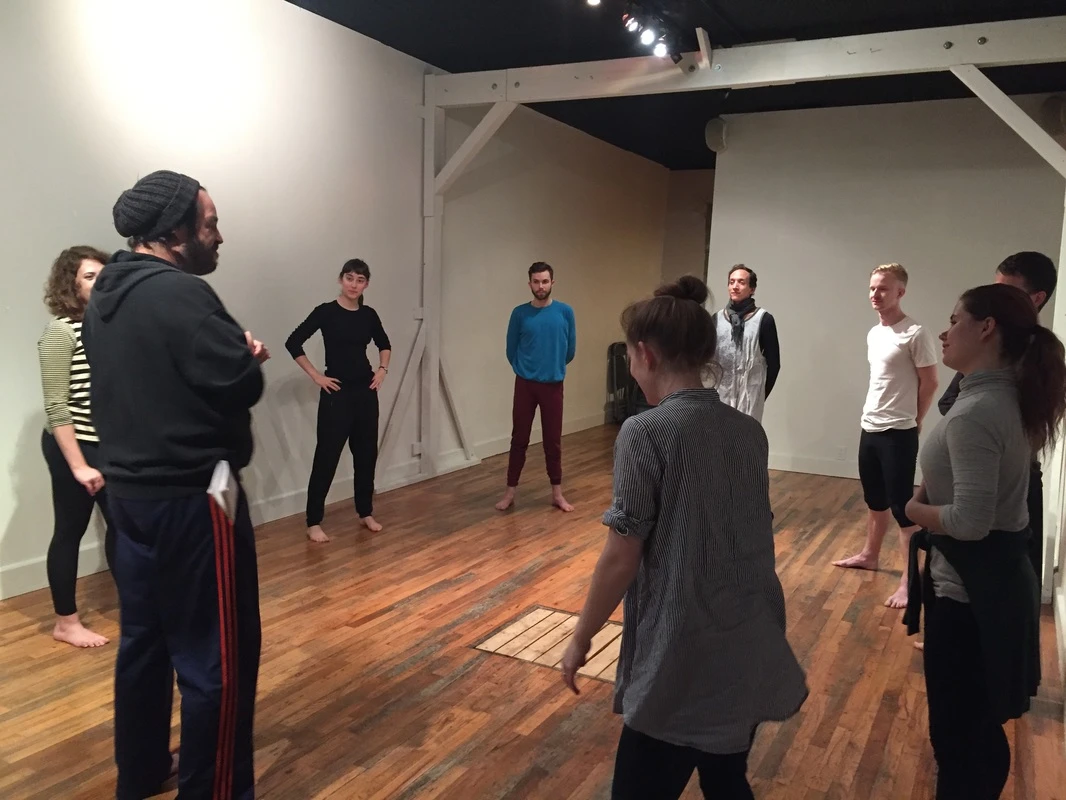 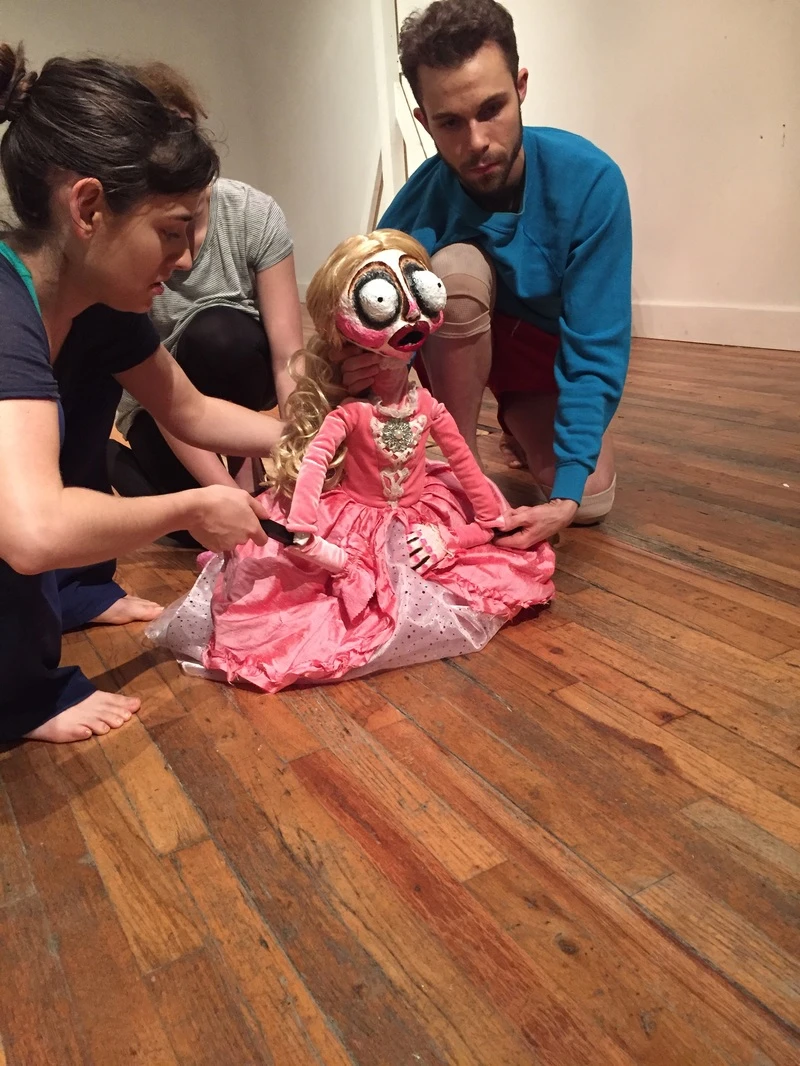 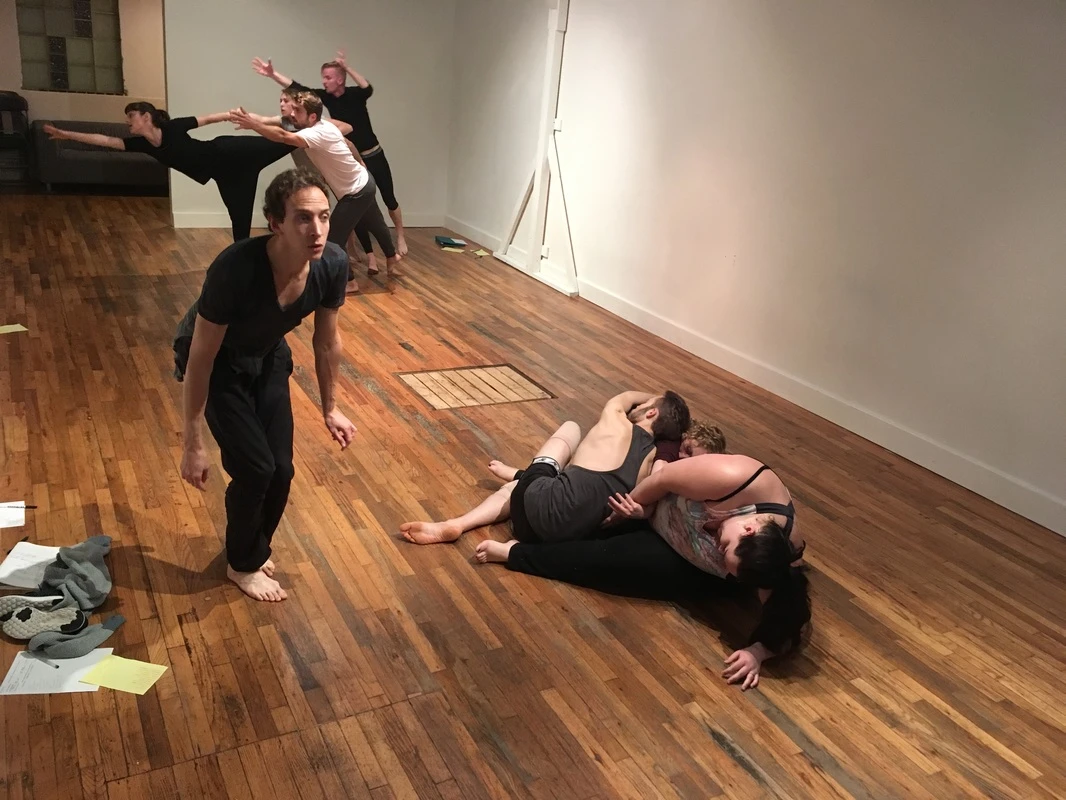 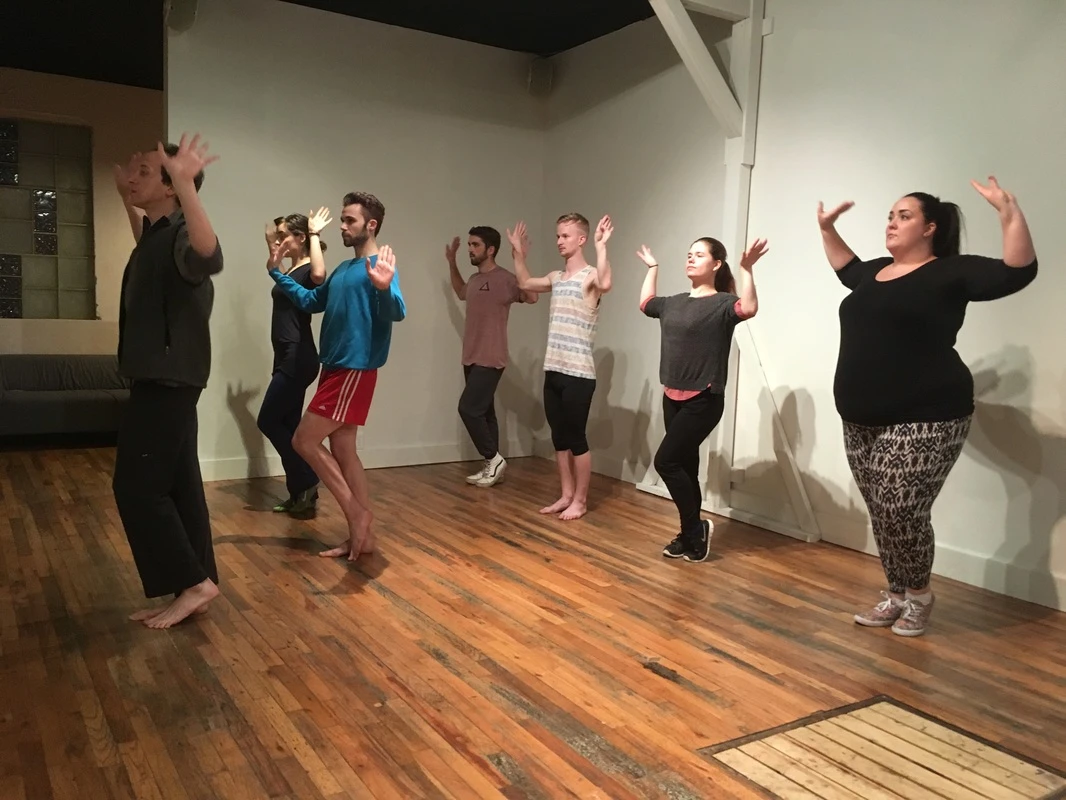 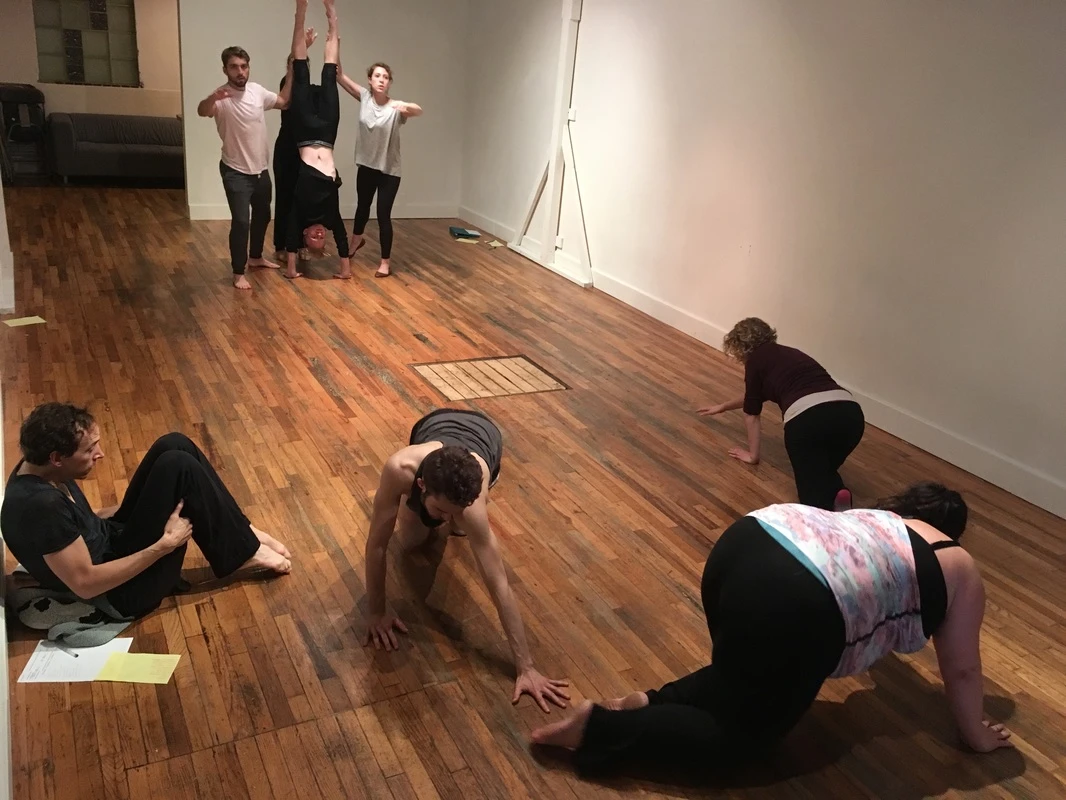 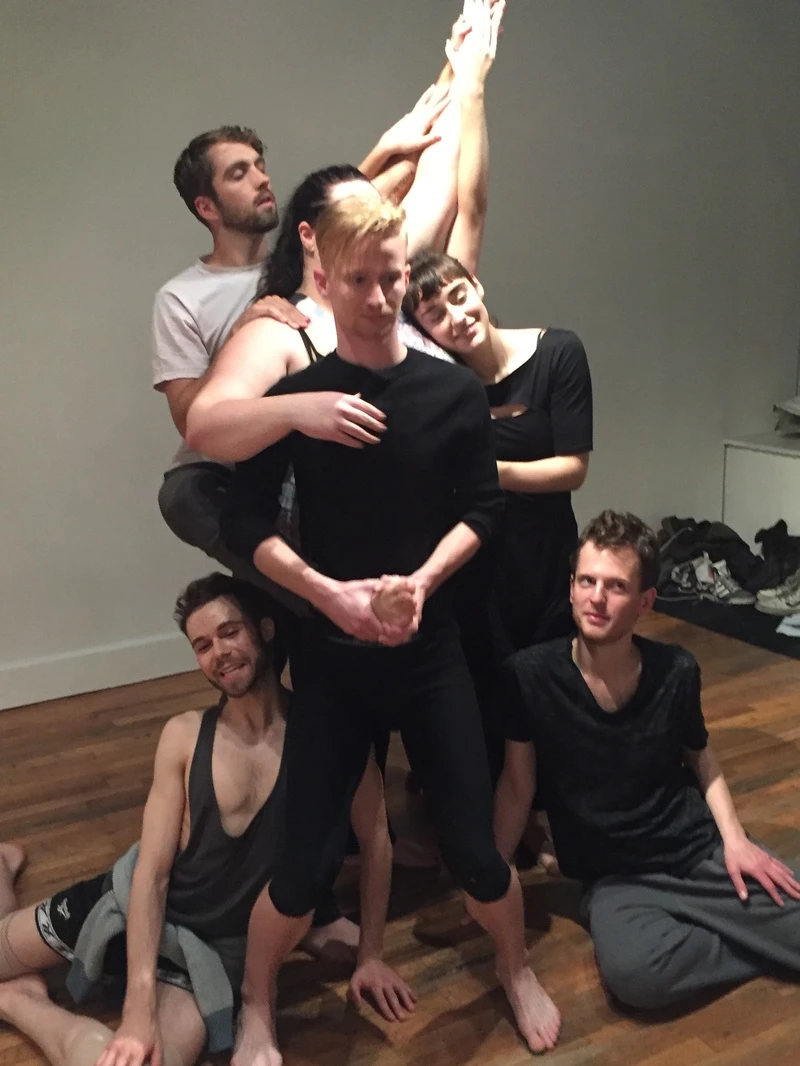 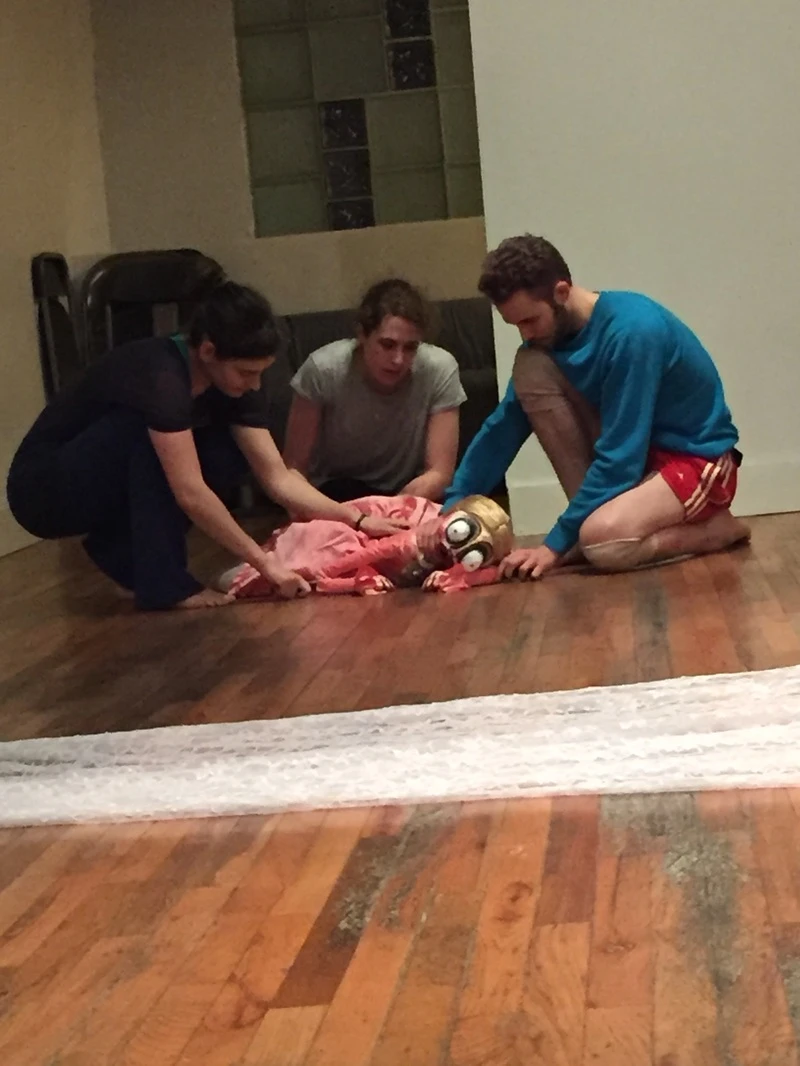 We hope to see you at the performances, Dec. 2-11 at the Red Eye Theater.
Purchase your tickets here!
0 Comments
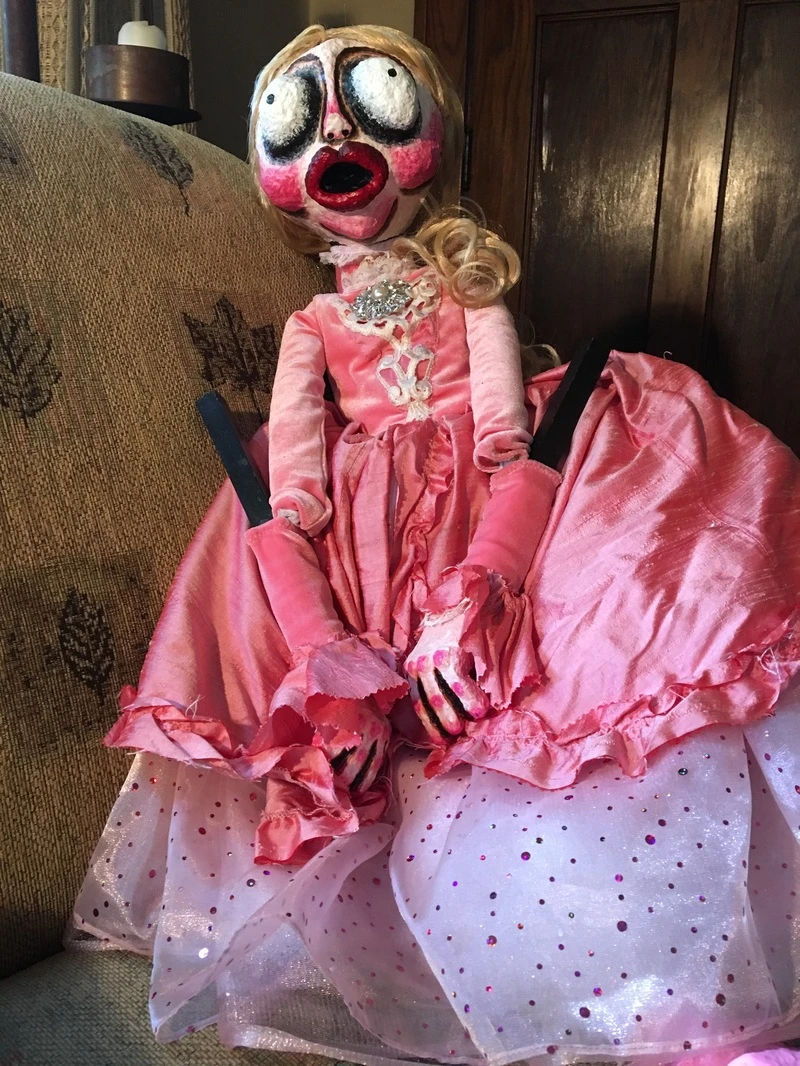
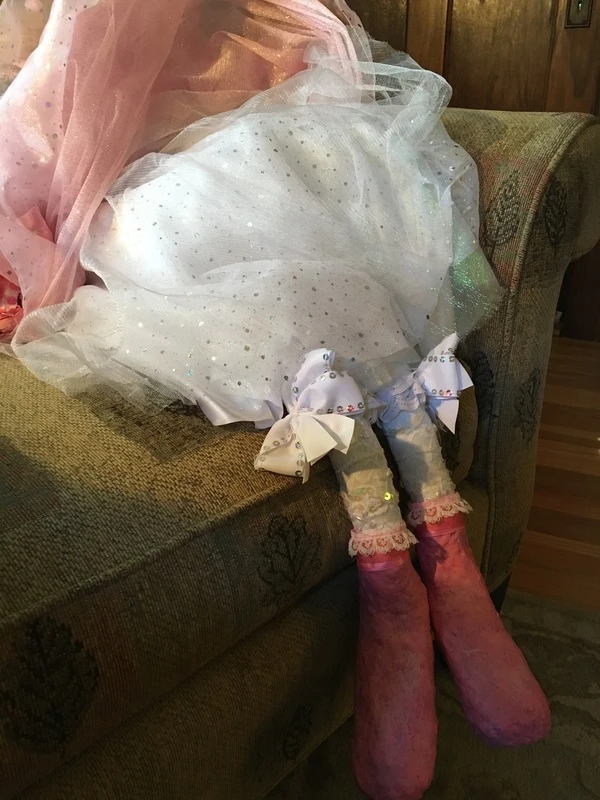
10/20/2016 0 Comments As we prepare for our first rehearsal of “The Sleeping Beauty in the Wood”, designer David Hanzal fills us in on his creation process for some of the puppets and masks for the production:What’s most inspiring to me about the creation process as a theatre designer is how hands-on it all is. In our digital age of the internet and Netflix streaming and instant gratification, there is still no instant “on” button for art-making and visual design in the theatre. Design and construction in the theatre is a craft; time and energy must be spent, and everything has to be created by hand. And while the construction materials might begin as ordinary - fabric, paper, clay, and paint - they can be re-imagined as something extraordinary and magical. 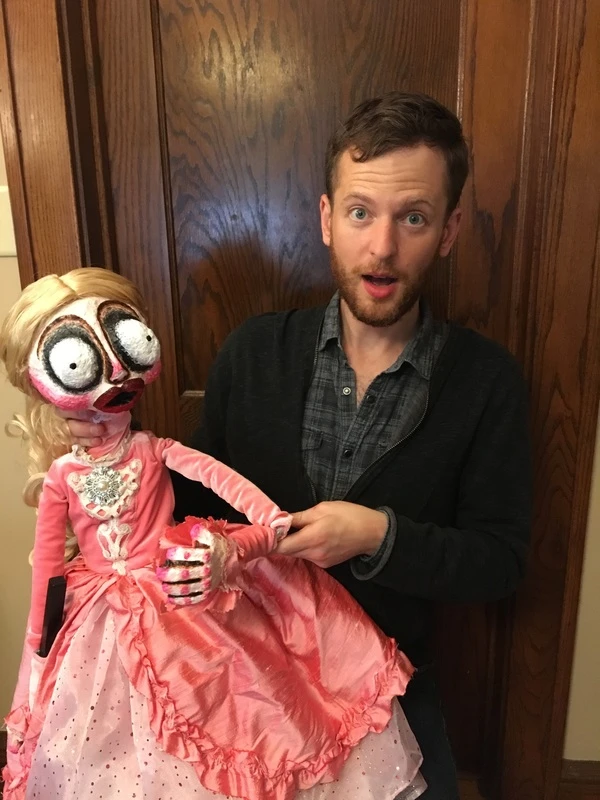 For the bunraku puppet of Beauty, the construction process was incredibly time-consuming and detail-oriented (I often joke that puppet-making feels like giving birth and that the puppets I make are my children! ;-) ). First, I designed the silhouette of the puppet on paper, before tracing it on to muslin. The muslin was then hand stitched with carpet thread and filled with cotton stuffing. The face, the hands, and the feet of the puppet were sculpted in clay, which were then covered with five to seven layers of paper mache. After the paper mache sculptures dried, they were split open, the clay was taken out, and they were sealed back up again. Finally, paper clay was added on top of the hollowed-out paper mache sculptures for added texture, and then they were painted. Once the bunraku puppet’s body was assembled together, I moved onto styling and attaching the wig, and stitching the pink princess gown (with the help of some very talented stitchers - thank you, Libby and Ilana!).
While the puppet and mask design construction process has been underway for months now, this is still only the beginning! It’s not until these puppets and masks are animated in the rehearsal room by the performers that they will truly come to life. I can’t wait to begin rehearsals on October 24, when we’ll start to make the inanimate animate. Until then... 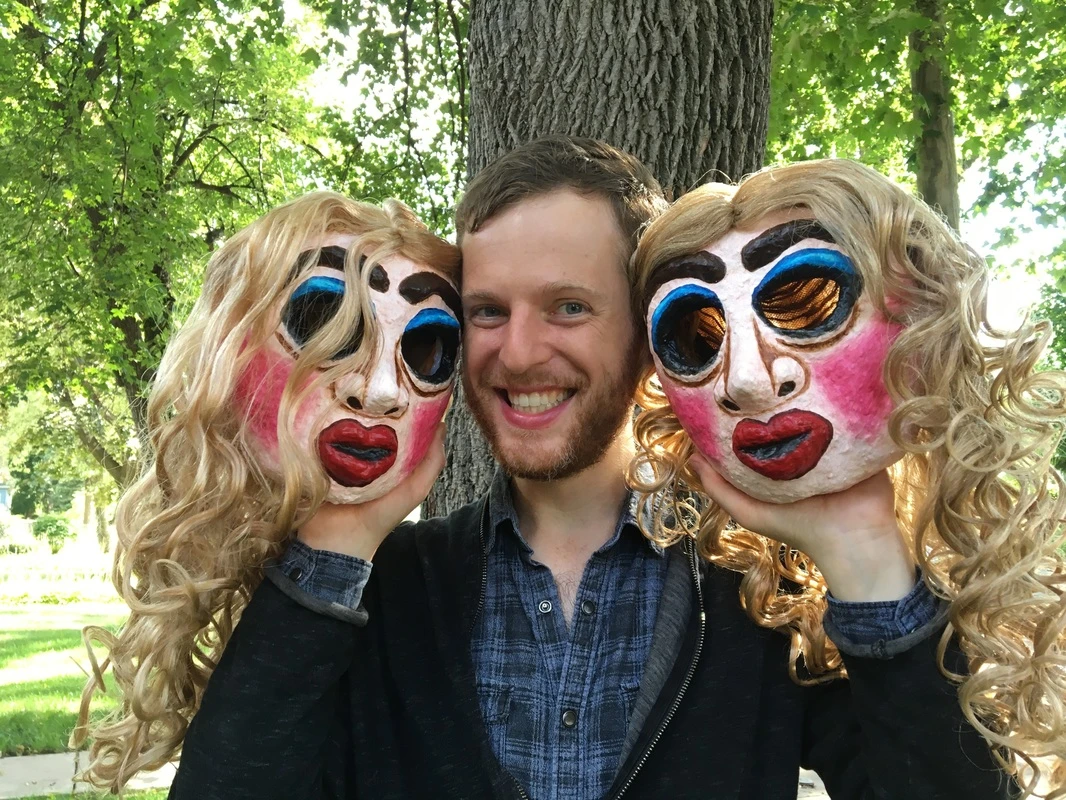 10/18/2016 0 Comments Designer David Hanzal writes about creating the scenic world for "The Sleeping Beauty in the Wood":This blog post is all about LEAVES!!!
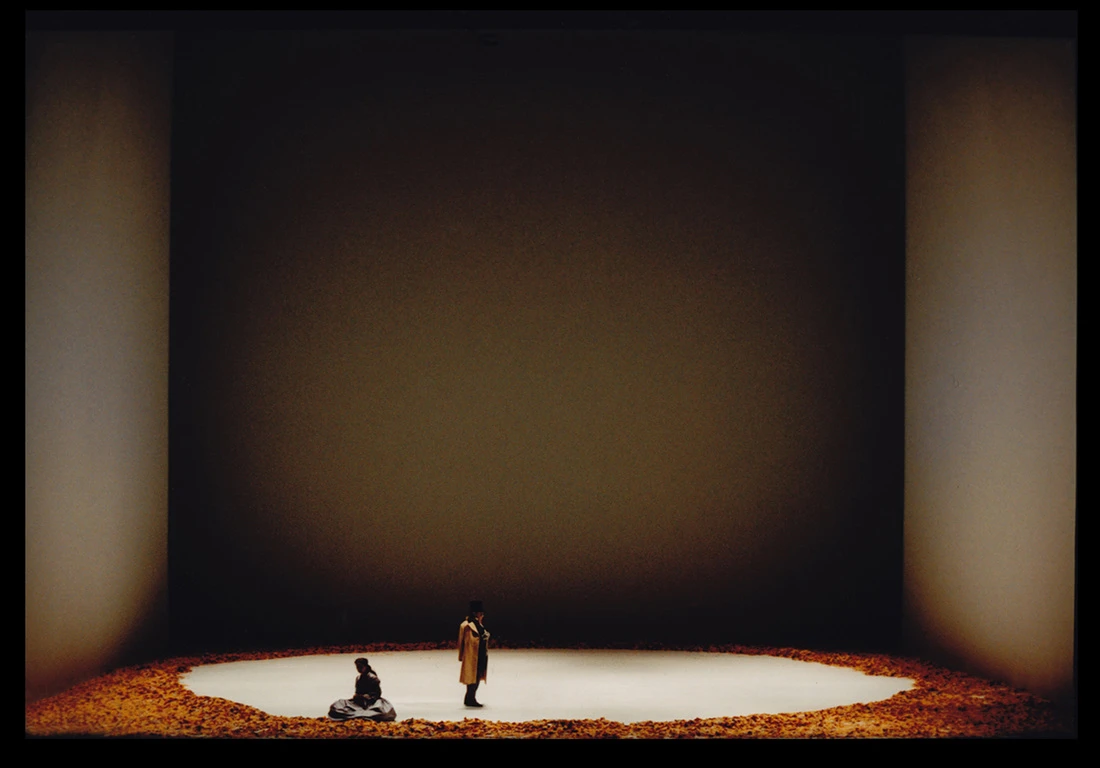
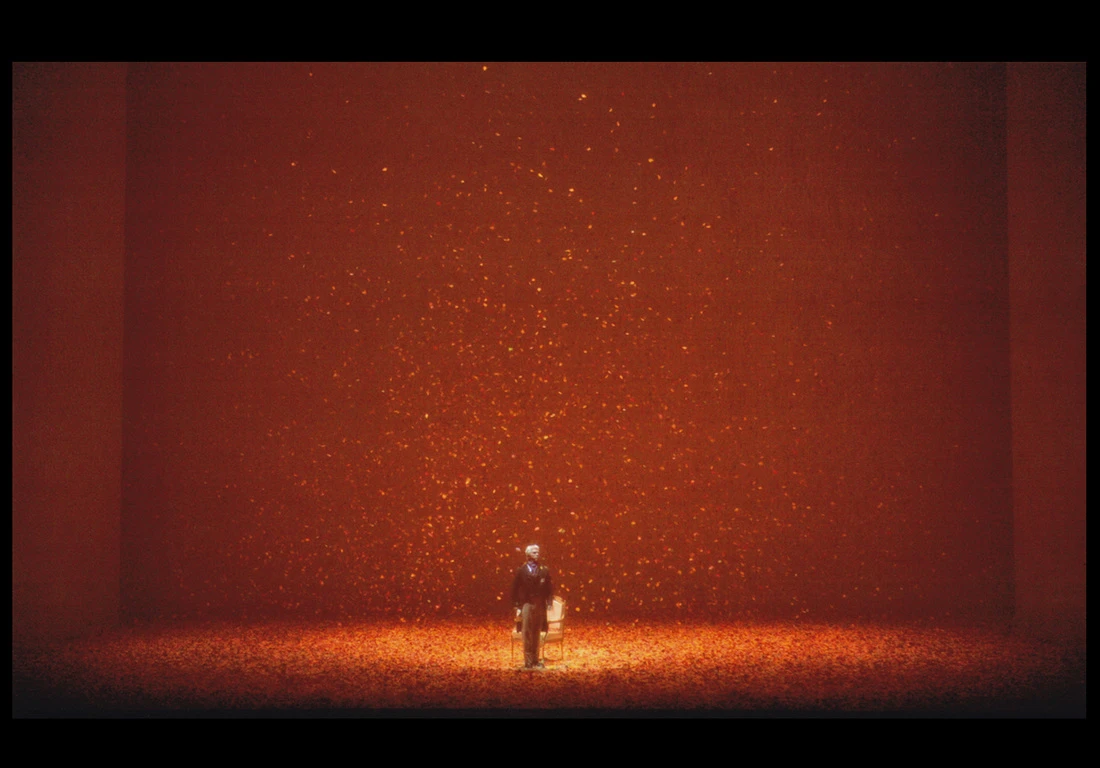
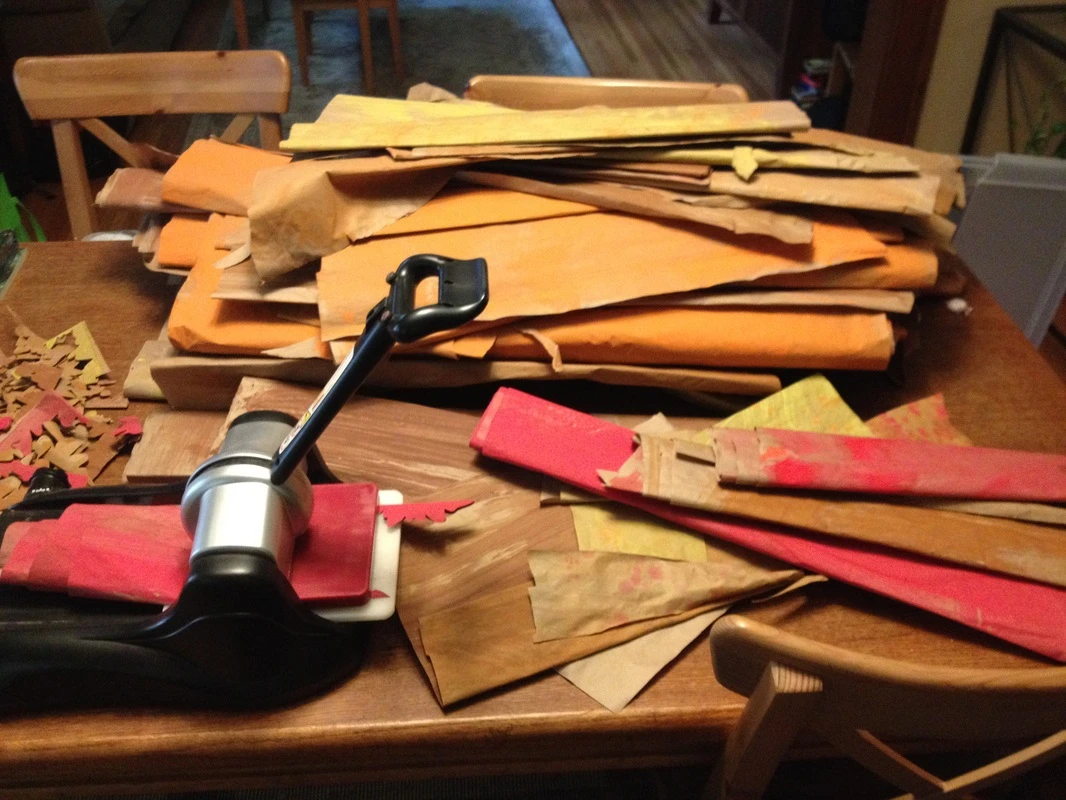
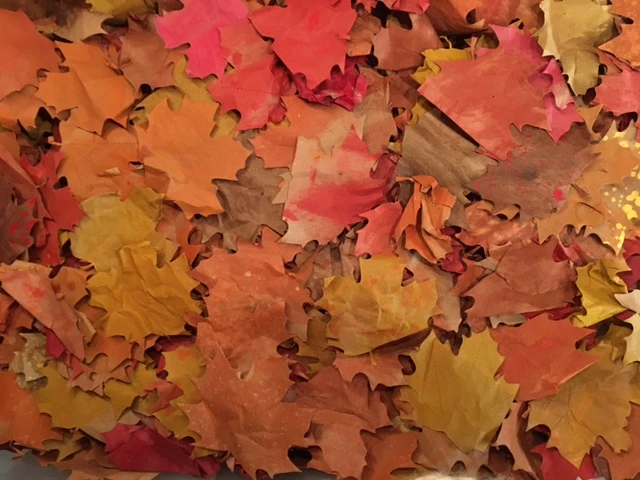
One of my favorite scenic designers in the whole wide word is Michael Levine. Many years ago I saw a production of "Eugene Onegin" that he designed at the Metropolitan Opera, and I was amazed at how he created a vast array of environments and seemingly endless revelations of space almost solely through buckets of autumn leaves, atmospheric lighting, and a sparse smattering of household furniture. When dreaming up the visual world for "The Sleeping Beauty in the Wood", I knew that I wanted to create the environment of a creepy forest that was as equally malleable, as my memories were of that production of "Eugene Onegin" from years back. Without any support from a scene shop, I set out to create thousands of autumn leaves on my own. Since real leaves would disintegrate and negatively affect the allergies of the cast and audiences--and artificial plastic leaves were much too costly--every single leaf had to be made by hand. Brown butcher paper was first painted, and then often sprayed with a second layer of paint for additional texture, before being cut out. After that, each leaf was crumpled and then unfolded by hand to re-create the texture of a life-like leaf.
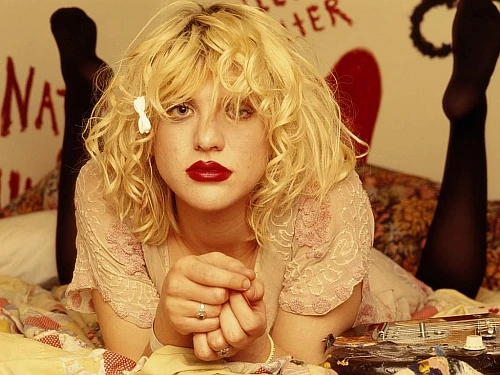
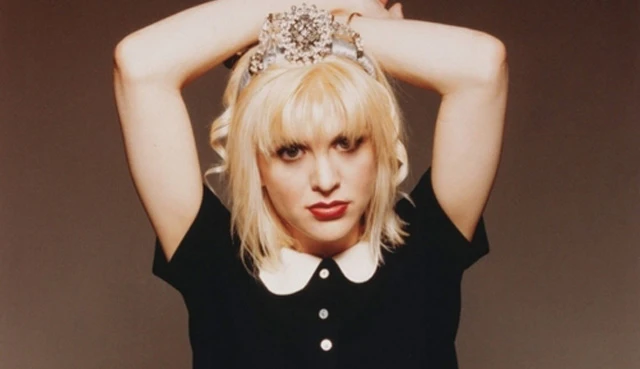
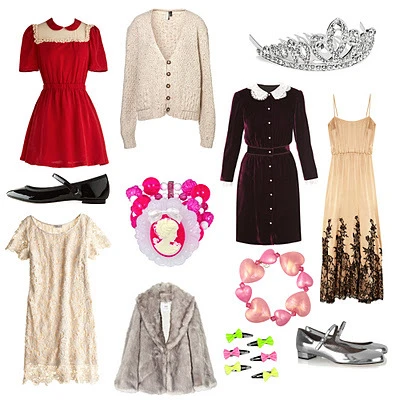
I can’t wait to enter the rehearsal room with my collaborators, and see how we can create a shape-shifting forest in Beauty’s dream world, just through leaves, movement, light, and sound. 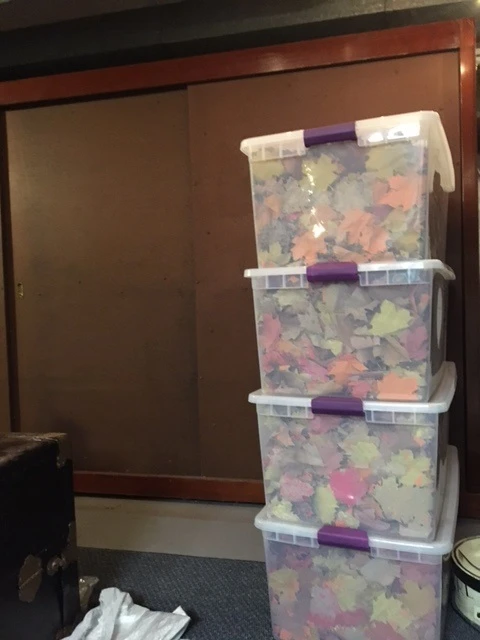 10/8/2016 1 Comment Our production designer David Hanzal lets us in on his conceptual process for the costumes in our upcoming production "The Sleeping Beauty in the Wood":For me, the costume design for this production is kind of like John William Waterhouse-meets-Courtney Love:
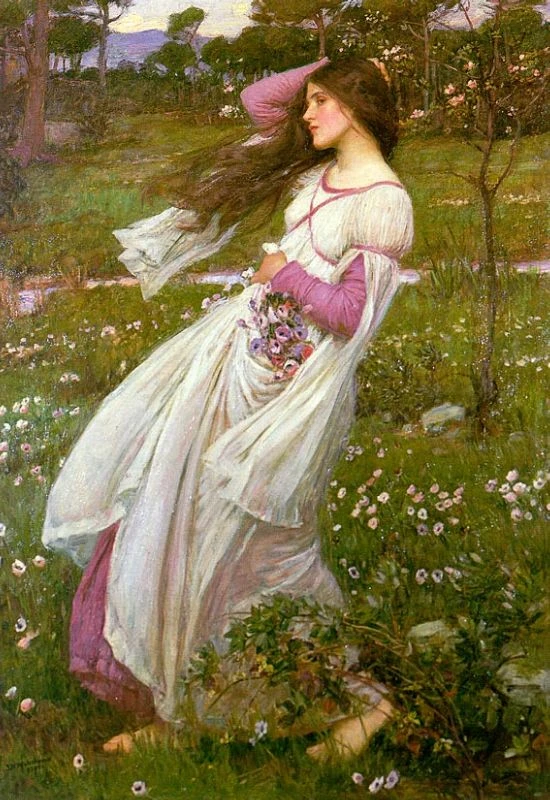
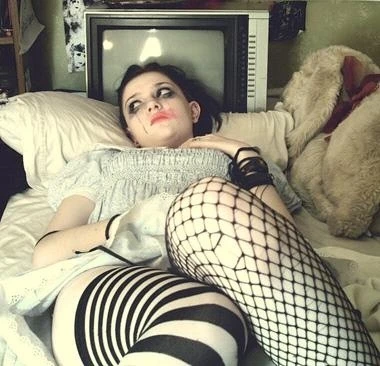
I think one of the most interesting things in the fairy tale “Sleeping Beauty” is the passage of time. At the eve of her sixteenth birthday, our fated heroine pricks her finger on a spinning wheel...and promptly falls asleep for one hundred years. One of the issues that I had with so many of the illustrated books and media adaptations that I poured over during the research period for this project, was that even though Beauty sleeps for a century, there hardly ever appeared to be any advancement in clothing and design from when she fell asleep to when she woke up. I mean, people - we are talking about one hundred years here! I chose John William Waterhouse (1849 – 1917)’s paintings as my inspiration for the style of Beauty’s world before she fell asleep. Waterhouse is interesting to me because he is a man painting primarily in the Victorian and Edwardian periods, but his subject matter was exclusively female characters drawn from fairy tales and myths (which were often vaguely medieval). There’s something incredibly “once upon a time-time” about his visual style and the silhouettes of his subjects, in the way that he fluidly borrows influences from both the medieval and Victorian periods. 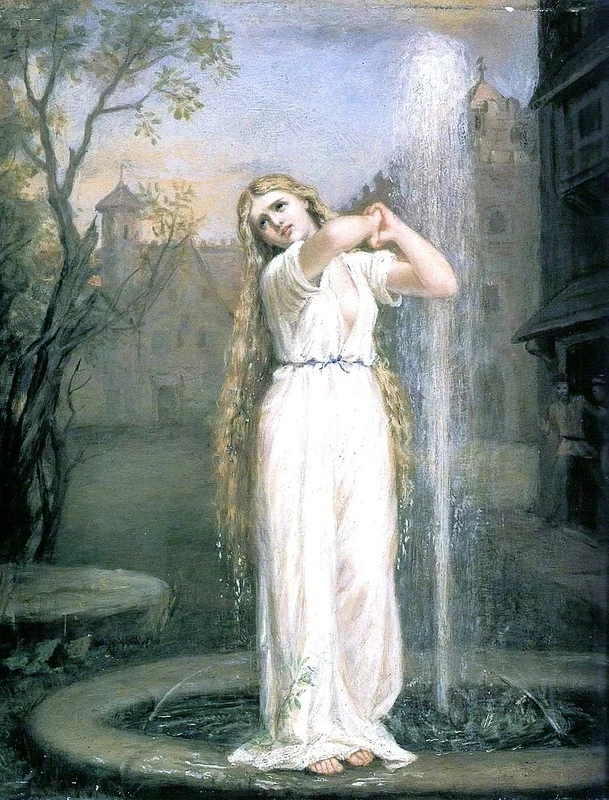 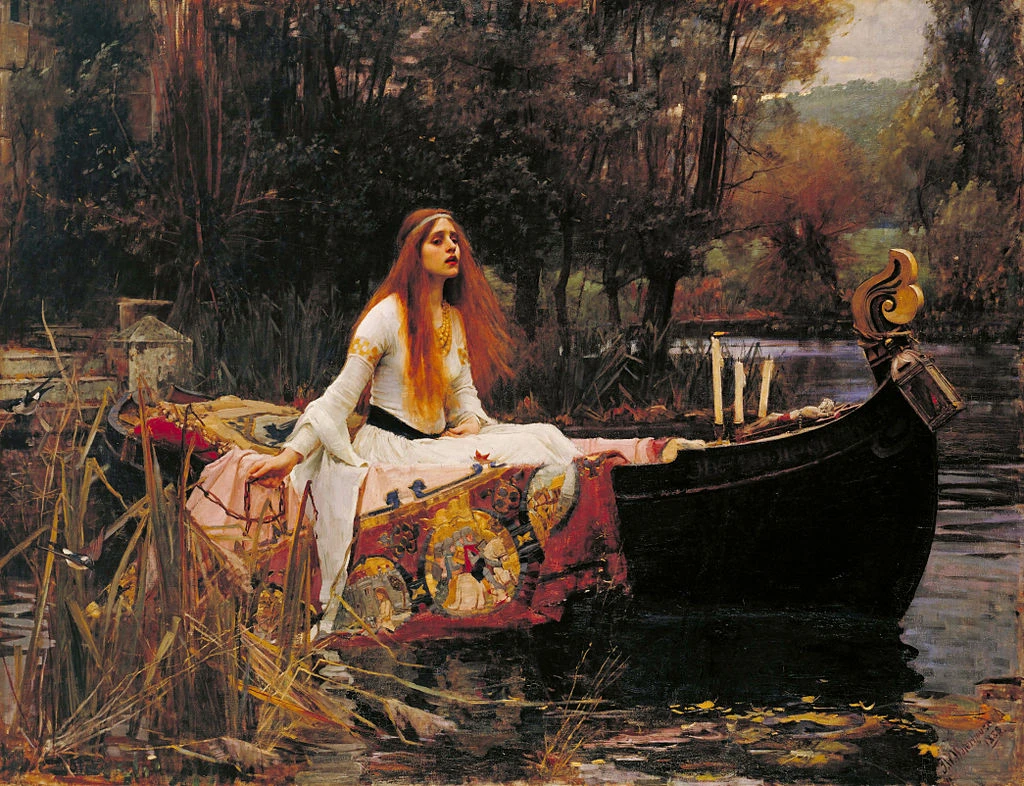 When trying to conceptualize what Beauty’s world looked like 100 years later post-slumber, I thought to myself: If 1890 is the absolutely latest date we can associate with Beauty’s world before she fell asleep, what would the world look like once Beauty wakes up 100 years later? I immediately thought of Courtney Love’s kinderwhore look from the early 1990s: the Lolita-esque nighties and short-short baby doll dresses, the white lace, the smokey black eyes and red lips smeared as if worn to bed. The perfect combination of innocent and sexy, and a superlative expression of Beauty’s budding sexuality.
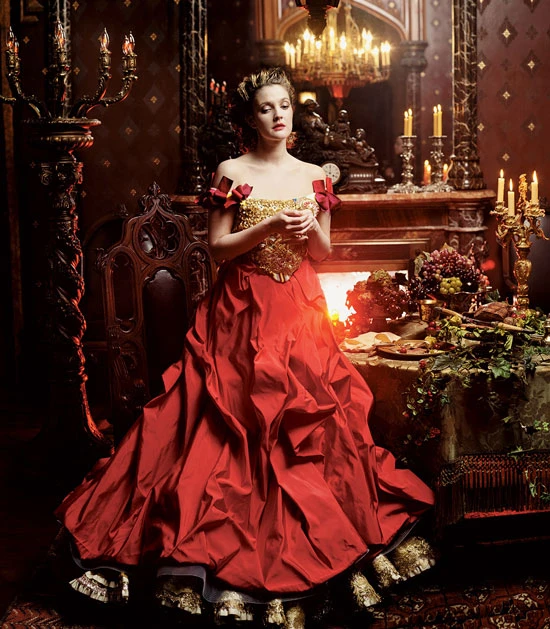
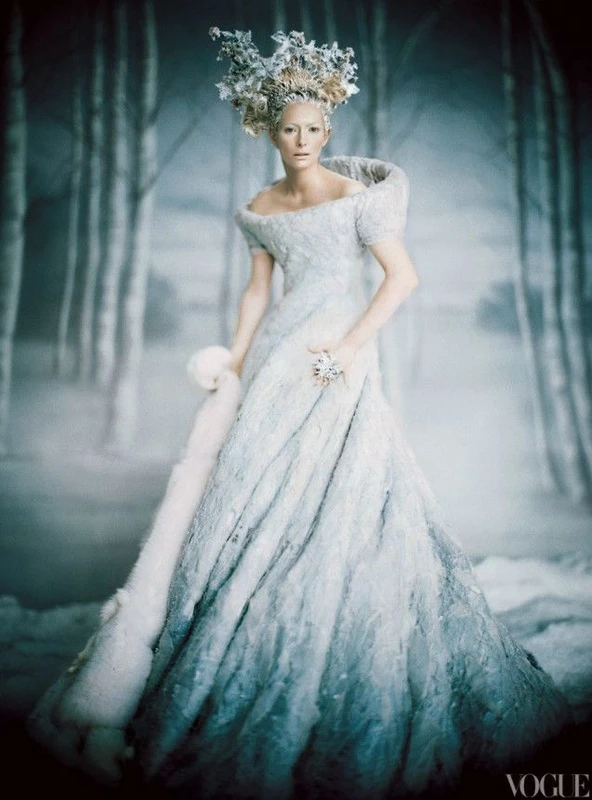
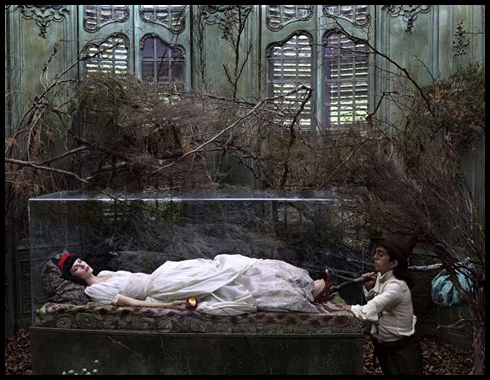
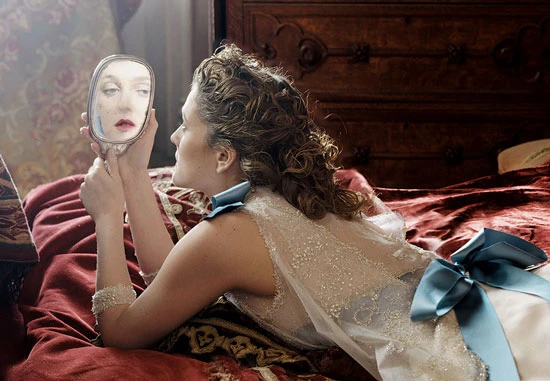
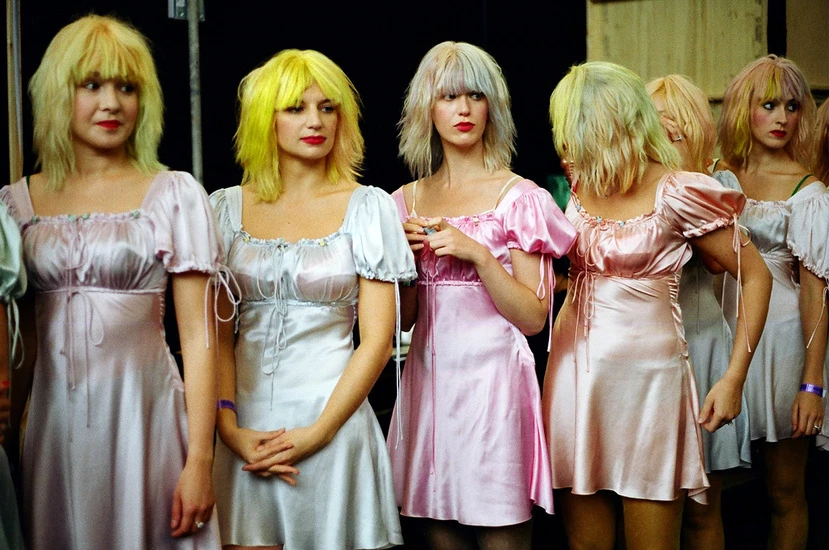 And, lastly, who hasn’t been inspired by the many fairy tale-themed photo shoots that have appeared in Vogue over the past several years? A perfect blend of “once upon a time-time” fairy tale silhouettes, juxtaposed alongside anachronistic details and high fashion. Perfection, I tell you.
|
AuthorWrite something about yourself. No need to be fancy, just an overview. Archives
August 2020
Categories |

Search by typing & pressing enter
 RSS Feed